Treatment Programs
Medical Detox
Detoxification is the critical first phase of recovery, and at MDCR we ensure it is both safe and dignified. Our medical team provides round-the-clock physician supervision with registered nurses monitoring vitals, managing symptoms, and administering medication-assisted treatment as clinically indicated.
We treat withdrawal from alcohol, opioids, benzodiazepines, heroin, fentanyl, crack cocaine, amphetamines, prescription stimulants, and GHB. Each detox protocol is individualized based on substance history, medical conditions, and mental health needs. For veterans and first responders, we pay particular attention to how duty-related stress and trauma may intensify withdrawal symptoms.
Detox typically lasts 3 to 7 days, though some cases require longer stabilization. Throughout this phase, patients have access to our meditation garden and guided breathwork sessions to ease the transition. Once medically cleared, patients move seamlessly into our residential or outpatient programming.

Residential Treatment
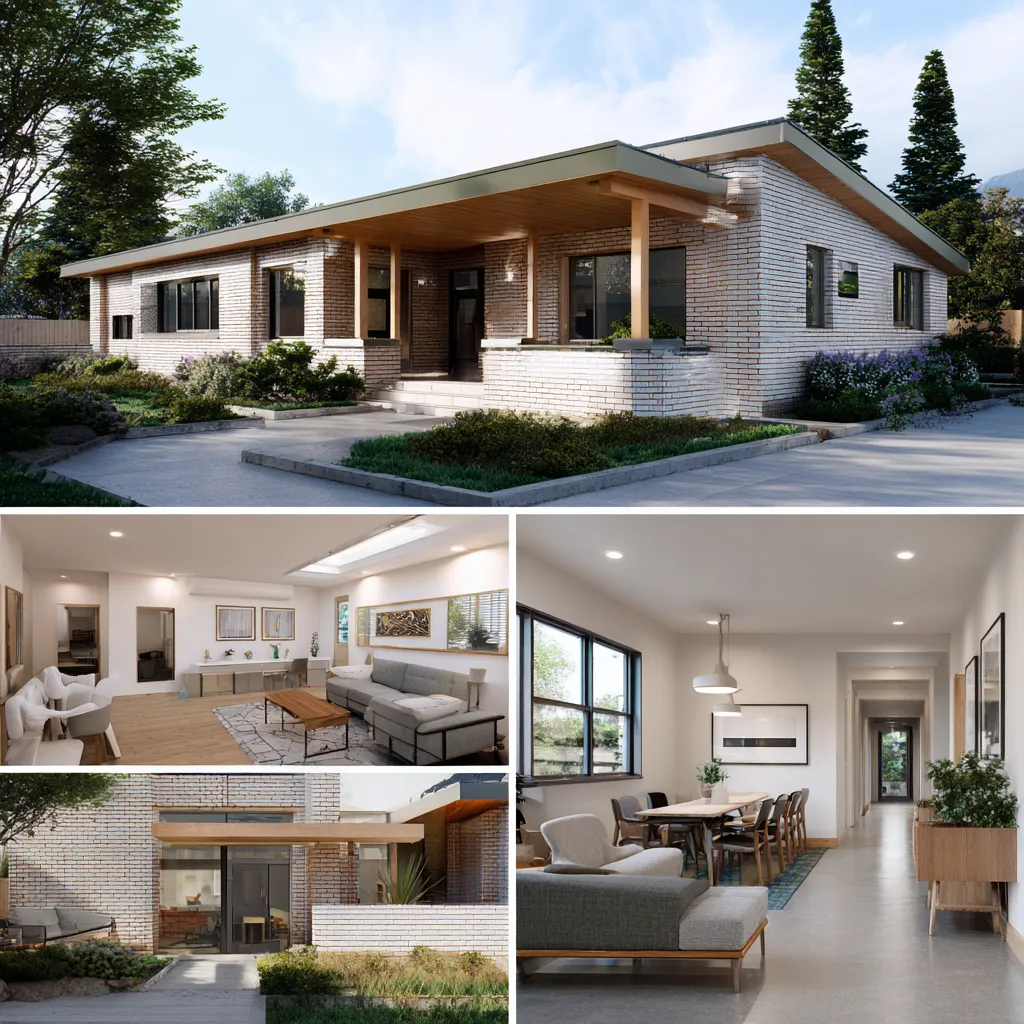
Our residential program provides 30 to 90 days of immersive, structured treatment within MDCR's 34-bed facility. Each day is built around our mindfulness-centered philosophy — beginning with extended meditation and breathwork before moving into clinical programming that addresses the roots of addiction.
Residents participate in individual counseling, group therapy, family therapy sessions, and specialized modalities including CBT, DBT, psychodrama, and somatic experiencing. For veterans and first responders, we offer dedicated groups that address service-related trauma, moral injury, and the challenge of asking for help after years of being the one who provides it.
Vocational rehabilitation is woven throughout the residential experience. Patients work with career counselors to assess skills, explore new directions, and build a concrete plan for reentry into the workforce. By the time residents complete the program, they carry not just sobriety but a tangible vision for their future.
Daily Schedule
| Time | Activity |
|---|---|
| 7:00 AM | Wake-Up & Morning Mindfulness Meditation (30 min) |
| 7:30 AM | Guided Breathwork Session |
| 8:00 AM | Breakfast |
| 8:45 AM | Morning Check-In & Intention Setting |
| 9:00 AM | Individual Counseling / Clinical Session |
| 10:15 AM | Mindful Movement — Outdoor Yoga Deck |
| 11:00 AM | Group Therapy (CBT / DBT / SMART Recovery) |
| 12:00 PM | Lunch & Mindful Eating Practice |
| 1:00 PM | Psychodrama / Somatic Experiencing Session |
| 2:30 PM | Afternoon Mindfulness Meditation (20 min) |
| 3:00 PM | Vocational Rehabilitation / Life Skills Workshop |
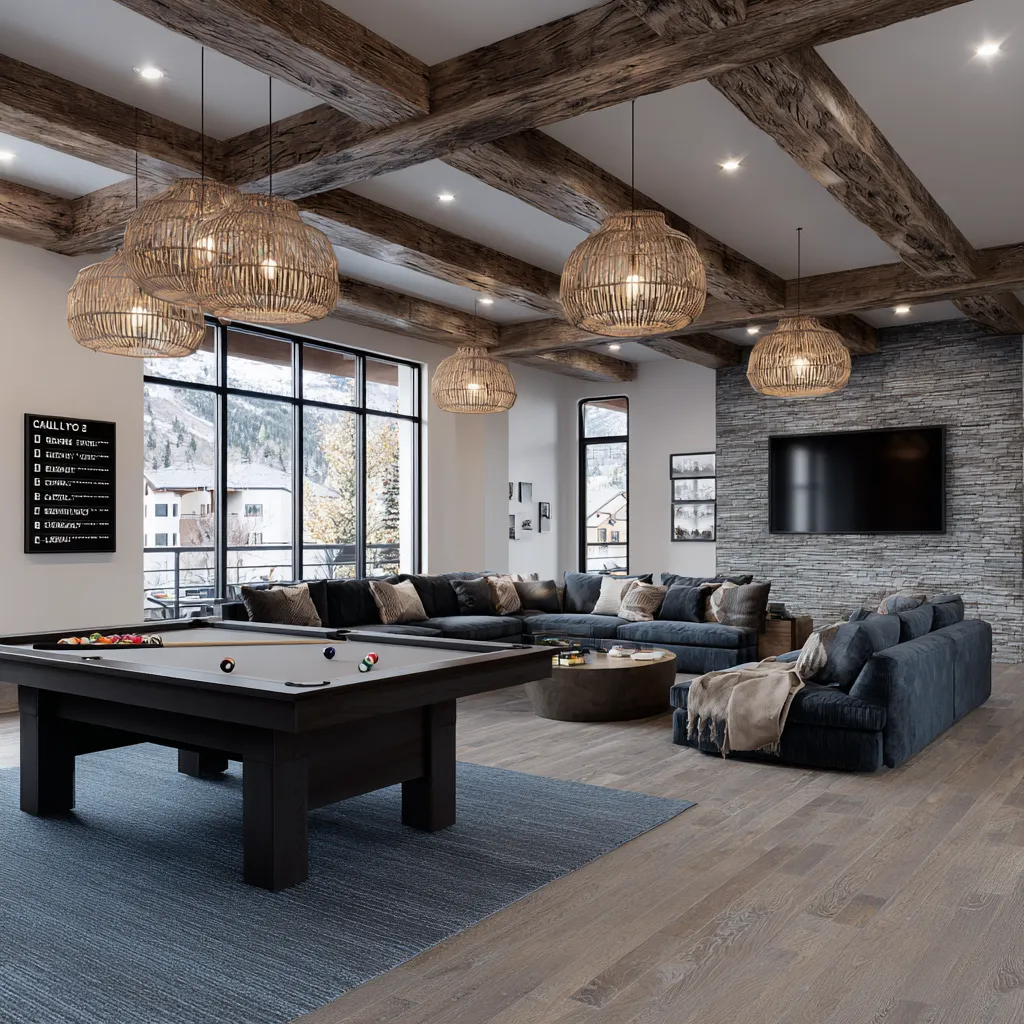
| 4:00 PM | Recreation — Pool, Music Room, or Greenhouse |
| 5:00 PM | Family Therapy (scheduled days) / Reflection Journaling |
| 6:00 PM | Dinner |
| 7:00 PM | Evening Mindfulness & Body Scan (20 min) |
| 7:30 PM | Peer Support Group / Free Time |
| 9:00 PM | Guided Relaxation & Lights Down |
Outpatient Program
Our outpatient program serves patients stepping down from residential treatment as well as those whose circumstances allow them to maintain work, family, and community commitments while receiving clinical care. Sessions are scheduled around your life — not the other way around.
Outpatient clients attend individual counseling, group therapy, and family sessions on a flexible weekly schedule. Clinical modalities include CBT, DBT, SMART Recovery, and continued mindfulness practice. For veterans and first responders returning to active duty or transitioning careers, we coordinate care with employers and VA services to ensure seamless support.
We also offer intensive outpatient programming (IOP) for those who need more structure than standard outpatient but are not candidates for residential care. IOP meets three to five days per week and includes all core therapeutic components plus ongoing psychiatric consultation.

Dual Diagnosis
More than half of the individuals we treat at MDCR arrive with co-occurring mental health conditions alongside their substance use disorder. Our dual diagnosis program treats both simultaneously, because addressing one without the other leads to incomplete recovery and higher relapse rates.
Our psychiatric team conducts thorough assessments during the first week of treatment to identify conditions such as PTSD, major depressive disorder, generalized anxiety, bipolar disorder, and trauma-related dissociation. For veterans and first responders, these conditions are often directly tied to occupational exposure — and our therapists are trained to recognize and treat service-related mental health challenges with precision and sensitivity.
Treatment integrates medication management with evidence-based psychotherapy, including trauma-focused CBT, somatic experiencing, and DBT. Patients in the dual diagnosis track receive additional individual therapy sessions and ongoing psychiatric monitoring throughout their stay and into aftercare planning.

Substances We Treat
- Alcohol
- Opioids
- Benzodiazepines
- Crack Cocaine
- Heroin
- Amphetamines
- Fentanyl
- Prescription Stimulants
- GHB
Treatment Modalities
- CBT (Cognitive Behavioral Therapy)
- Individual Counseling
- Group Therapy
- SMART Recovery
- Family Therapy
- Psychodrama
- Somatic Experiencing
- DBT (Dialectical Behavior Therapy)
Amenities
- Outdoor Yoga Deck
- Swimming Pool
- Greenhouse
- Massage Therapy Room
- Meditation Garden
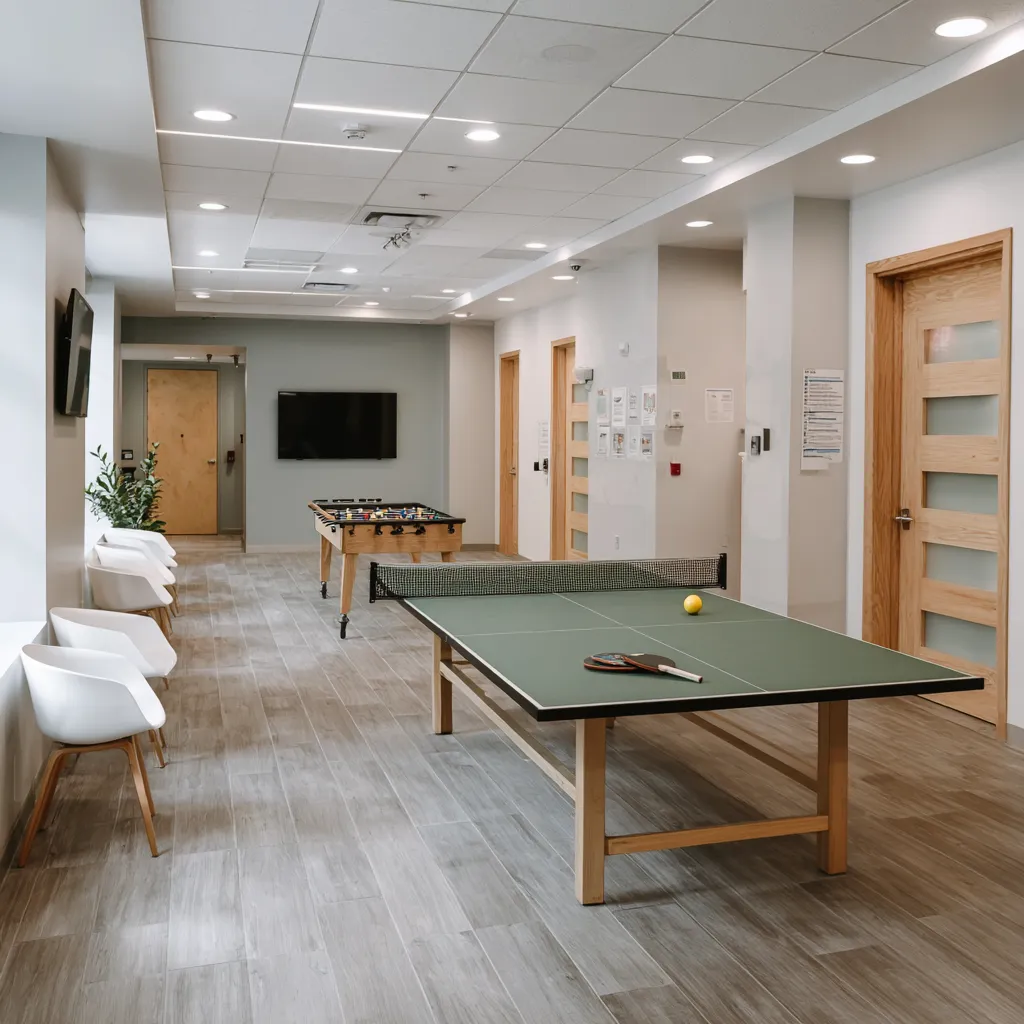
- Recreation Room
- Family Picnic Grounds
- Heated Therapy Pool
- Music Room
- Game Room